
01
Thinking
Decision quality, identity pressure, behavioural patterns, and the architecture of how you process reality under load.
Founder advisory · systems architecture · Thailand
20 years · 3 continents · NLP Master Coach · AI Sovereignty · Koh Samui
I help rebuild the thinking, the systems, and the leverage underneath the work — so outcomes compound with more clarity and less force.
Direct email: wesleysteehouwer@icloud.com
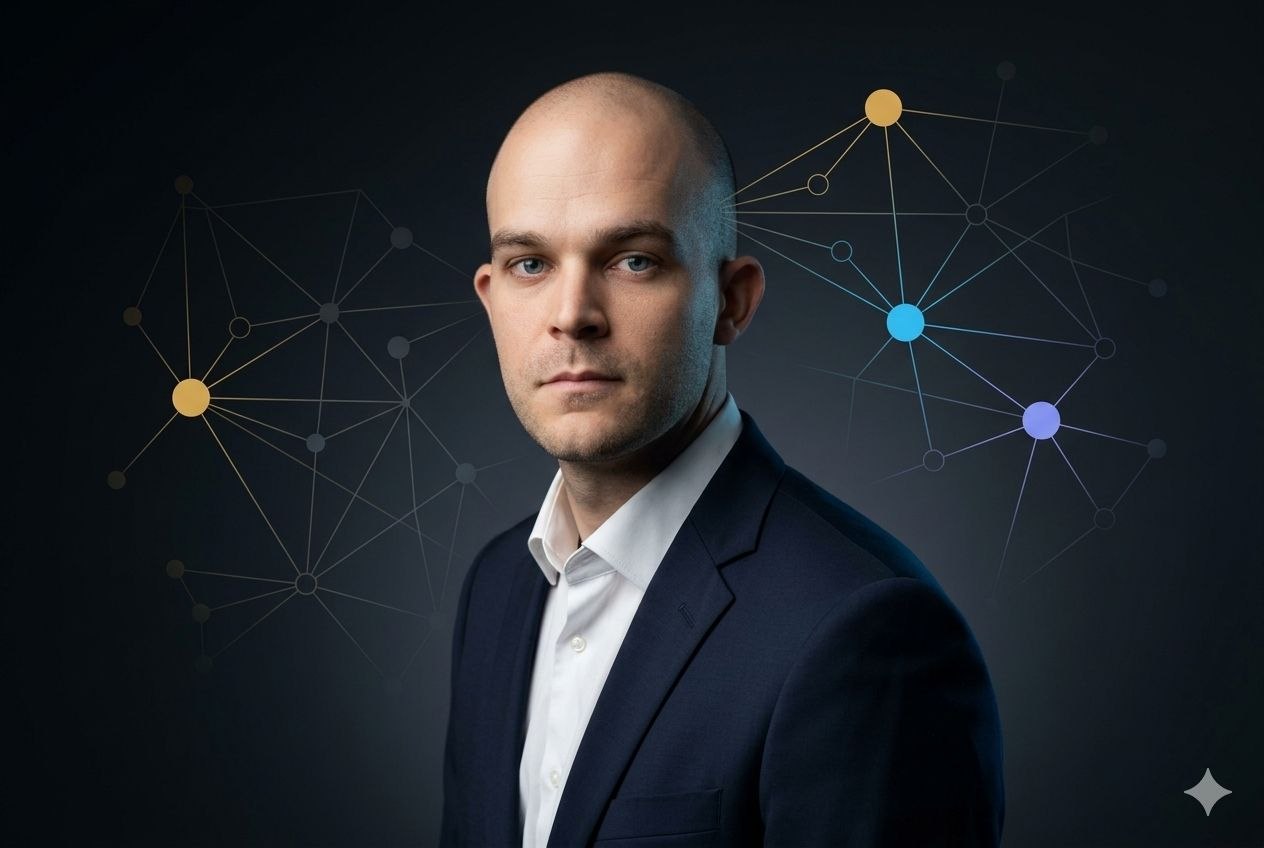
Out of the text box
This is for consequential work: businesses with exposure, teams under load, and decisions that matter after the call ends.
Quiet leverage
Clearer judgment. Cleaner systems. Better use of time, energy, and attention.
20+
years across systems, security, and infrastructure
3
core expressions: thinking, systems, and capital
3
continents of enterprise delivery experience
Framework
Most people split the human layer, the technical layer, and the leverage layer into separate conversations. That is usually the mistake. The Abel framework addresses the human side of that split. The Aible framework addresses the operational and AI layer. Together they form a single architecture — not three separate conversations.
01
Decision quality, identity pressure, behavioural patterns, and the architecture of how you process reality under load.
02
Operational design, AI sovereignty, workflows, governance, and infrastructure that can carry weight without carrying you.
03
Leverage, structure, and timing. The right operating model turns disciplined work into outcomes that compound.
The work is always the same: identify what is actually broken, rebuild it properly, and design for what comes next.
Who this is for
Who this is not for
Representative outcomes
Removed organisational drag by redesigning decision and operating layers instead of adding more process.
Reframed AI adoption around sovereignty, governance, and operational trust rather than vendor theatre.
Built founder-grade structures across systems, operations, and Thailand-based enterprise reality.
Selected engagements
Challenge
A founder was carrying too much context, too many decisions, and no stable operating rhythm beneath the business.
Approach
Rebuilt the thinking layer, decision architecture, and execution cadence around what actually moved outcomes.
Outcome
The business stopped depending on constant force. Decision quality improved, internal drag dropped, and the operator regained leverage.
Challenge
AI ambition was trapped inside fragmented tools, surveillance-heavy defaults, and weak governance.
Approach
Defined a sovereignty-first architecture with operational control, pseudonymisation discipline, and practical automation boundaries.
Outcome
The path forward became commercially credible: private enough to trust, practical enough to deploy, and disciplined enough to scale.
Challenge
A foreign-led operation needed durable structure, mission protection, and continuity inside Thai legal and practical constraints.
Approach
Designed the governance, ownership logic, and operating shape around durability rather than convenience.
Outcome
The structure became survivable under pressure: clearer control, cleaner succession logic, and less long-term fragility.
Memoir
Not branding collateral. Not reinvention theatre. The book is the account of what remains when identity collapses and you no longer get to rely on the person you were before.
That question runs underneath everything else here. It is why the work is direct, private, and more interested in truth than comfort.
Read about the book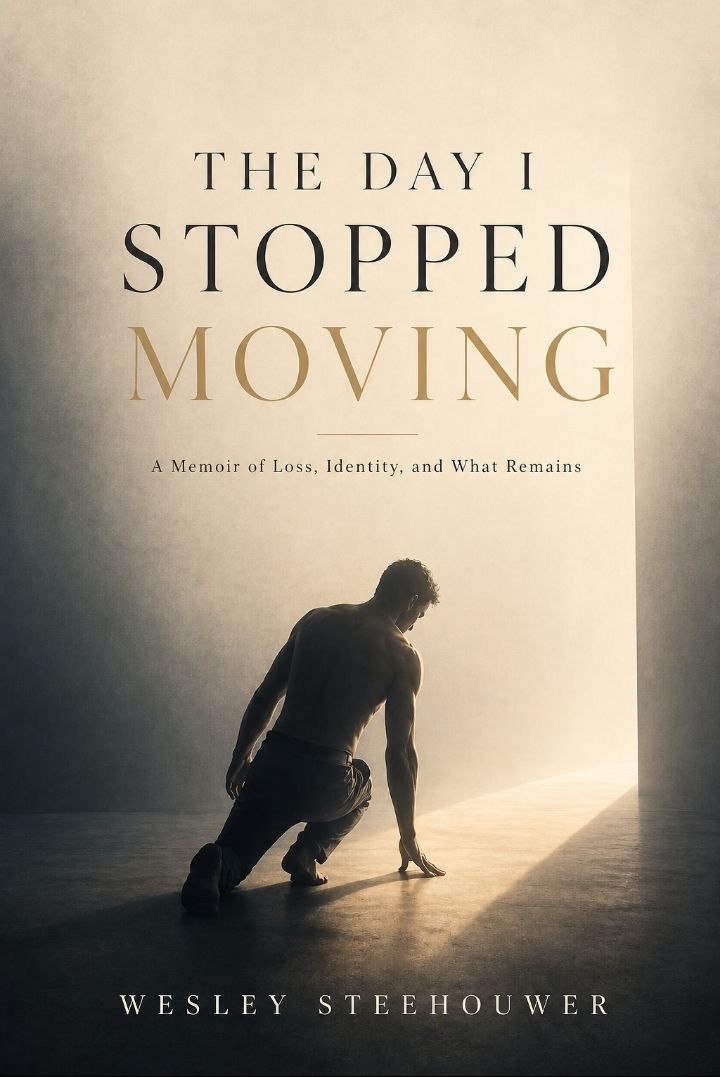
What people say
“Strong judgment, broad perspective, and a calm way of handling consequential decisions without unnecessary drama.”
“Calm under pressure, strategically useful, and consistently valuable when the stakes are real.”
“Smart, creative, and willing to take responsibility for the hardest problems in the room.”
“Strong systems judgment, sharp instincts, and a lasting impact on the people and structures around him.”
“Unusually clear, thoughtful, and generous with insight people can actually use in practice.”
“Calm when things get hard, strong with people, and reliable when execution matters.”
Application process
I take on a small number of people and problems each quarter. The point is not volume. The point is fit, seriousness, and the ability to do real work together.
Final note